ÖZ-TÜRKİSTAN
History & Heritage
Discover the historical South Turkestan region of northern Afghanistan, where mountain routes, river valleys, and Silk Road exchange shaped a lasting cultural landscape.
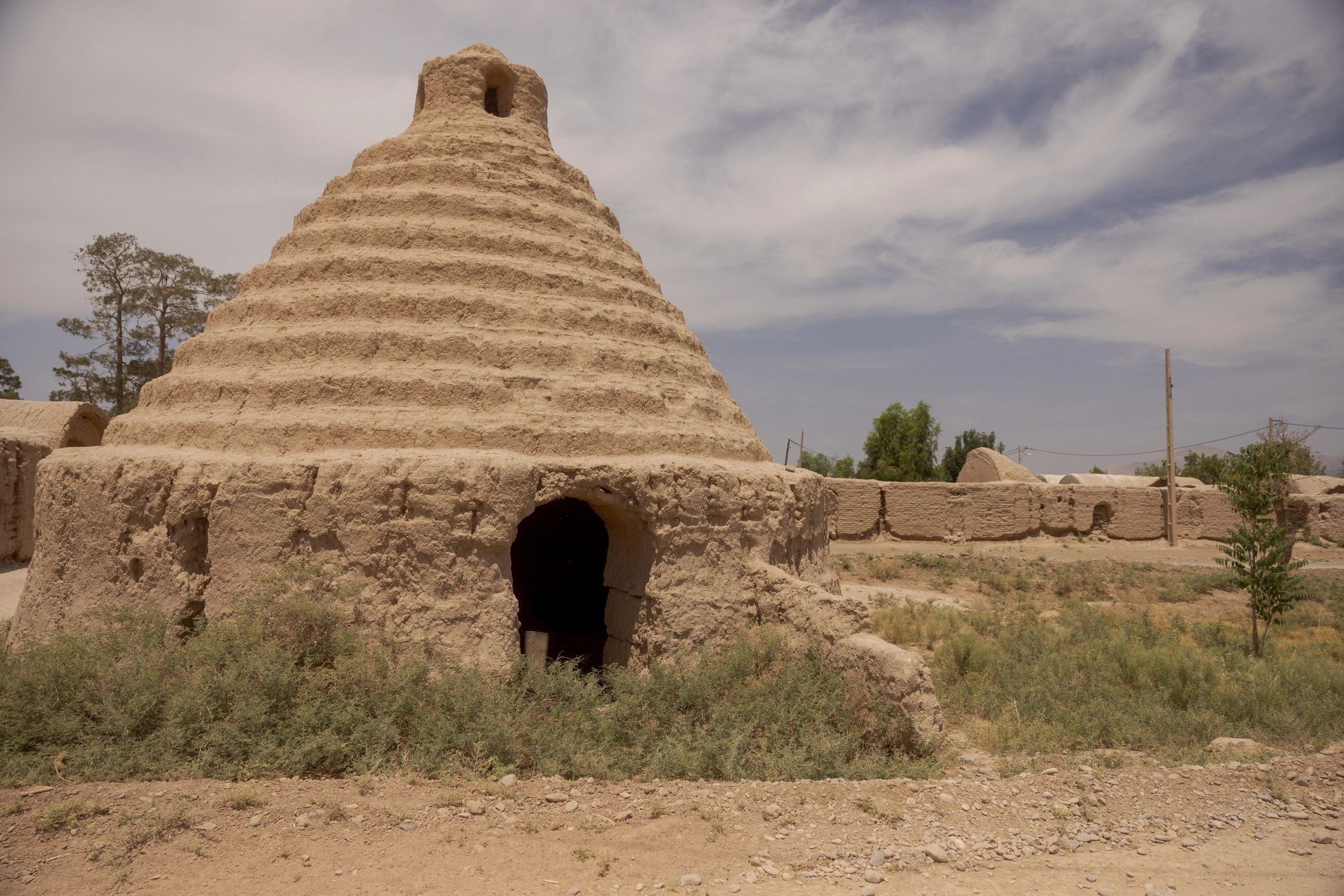
Historical Landscape
A Region of Exchange
South Turkestan lies between the Amu Darya, historically known as the Ceyhun, and the Hindu Kush. Its position connected Central Asia with Afghanistan through routes of trade, learning, and migration.
River Valleys
Fertile corridors supported settlements, agriculture, and movement across the northern plains.
Mountain Passes
Passes through the Hindu Kush linked communities and carried ideas, goods, and traditions.
Living Heritage
Layers of Memory
The history of South Turkestan cannot be reduced to a single era or community. It is a layered record of settlement, exchange, faith, craftsmanship, and adaptation across generations.
From the Amu Darya frontier to the foothills of the Hindu Kush, local histories reflect the movement of people and knowledge along wider Central Asian networks.
Heritage is carried not only by monuments, but by landscapes, stories, and the practices that connect communities to place.
ÖZ-TÜRKİSTAN
ÖZ-TÜRKİSTAN brings these perspectives together to support a fuller understanding of the region’s historical depth and cultural continuity.